

Why Lighting Changes Everything in Paint Color Choice
Choosing Paint Colors That Work With Your Birmingham Home’s Lighting
One of the most overlooked factors in selecting interior paint is lighting, but it’s also one of the most important. In Birmingham, Alabama, where homes range from older properties with smaller windows to modern open layouts with large natural light exposure, lighting conditions can dramatically change how a paint color actually looks once applied.
A color that looks warm and neutral in the store can appear cooler, darker, or even slightly different once it’s on your walls. That’s because paint is constantly interacting with light, both natural sunlight and artificial indoor lighting.
Understanding how lighting affects paint is the key to avoiding color regret and achieving a consistent, professional-looking finish throughout your home.
Natural Light in Birmingham Homes – Direction Matters
Natural light plays a major role in how paint colors appear, and in Birmingham homes, the direction your room faces makes a noticeable difference.
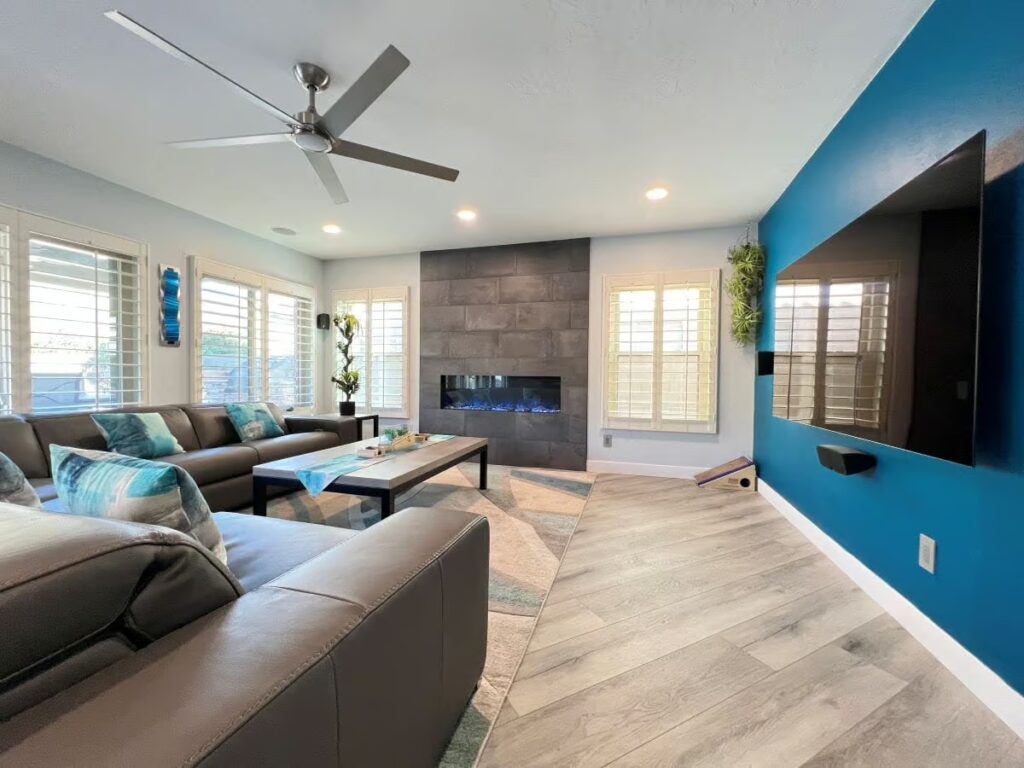
North-facing rooms typically receive cooler, softer light, which can make colors appear slightly more muted or gray. South-facing rooms receive brighter, warmer light throughout the day, which enhances warm tones and increases brightness. East-facing rooms are brighter in the morning, while west-facing rooms become warmer and more golden in the afternoon.
This means the same paint color can look completely different depending on the room it’s in.
Artificial Lighting – The Hidden Variable
While natural light changes throughout the day, artificial lighting plays a constant role in how your paint colors appear, especially in the evenings when most homeowners are using their living spaces.
In Birmingham homes, warm LED bulbs are commonly used, which can make whites appear creamier and cool tones appear slightly warmer than expected. On the other hand, cooler daylight bulbs can make warm paint colors feel flatter or slightly blue-toned.
This is why professional painters always recommend testing paint samples under your actual home lighting, not just in daylight or under store lighting conditions.
Undertones – Why “Neutral” Isn’t Always Neutral
Every paint color has undertones, subtle hints of warm, cool, or neutral shades that become more noticeable depending on lighting conditions.
In Birmingham homes, undertones are especially important because mixed lighting (natural + artificial) can cause colors to shift throughout the day. A gray paint, for example, may lean blue in north-facing light or beige in warm afternoon sun.
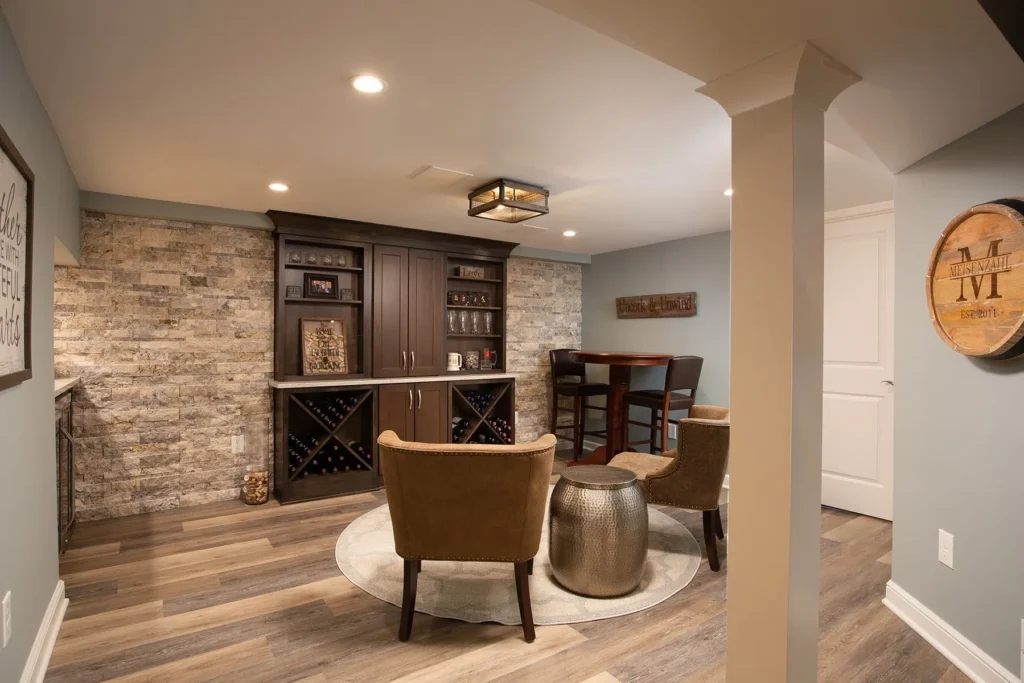
Common undertone shifts include:
- Grays appearing blue, green, or beige
- Whites appearing warm cream or stark white
- Beiges shifting yellow or pink depending on lighting
Understanding undertones helps prevent surprises once the paint is on the wall and ensures consistency across rooms.
How to Choose the Right Paint for Your Lighting Conditions
The best way to choose paint colors in Birmingham homes is to evaluate both natural and artificial lighting together, not separately.
Professional painters recommend:
- Testing paint samples on multiple walls in different lighting conditions
- Observing colors in morning, afternoon, and evening light
- Keeping a consistent undertone throughout connected rooms
- Adjusting sheen level to help control how light reflects off surfaces
Ultimately, lighting determines how a paint color is perceived more than the color itself. When chosen correctly, paint can enhance brightness, improve flow between rooms, and make your Birmingham home feel more balanced and intentional in every space. Contact The Painting Company of Birmingham today for a free color consultation and estimate.